Tracing the Development of Progressive Jackpot Networks Across Multiple Gaming Verticals and Their Payout Distribution Mechanisms
Written by Cameron Krause · Jul 17, 2026
Tracing the Development of Progressive Jackpot Networks Across Multiple Gaming Verticals and Their Payout Distribution Mechanisms
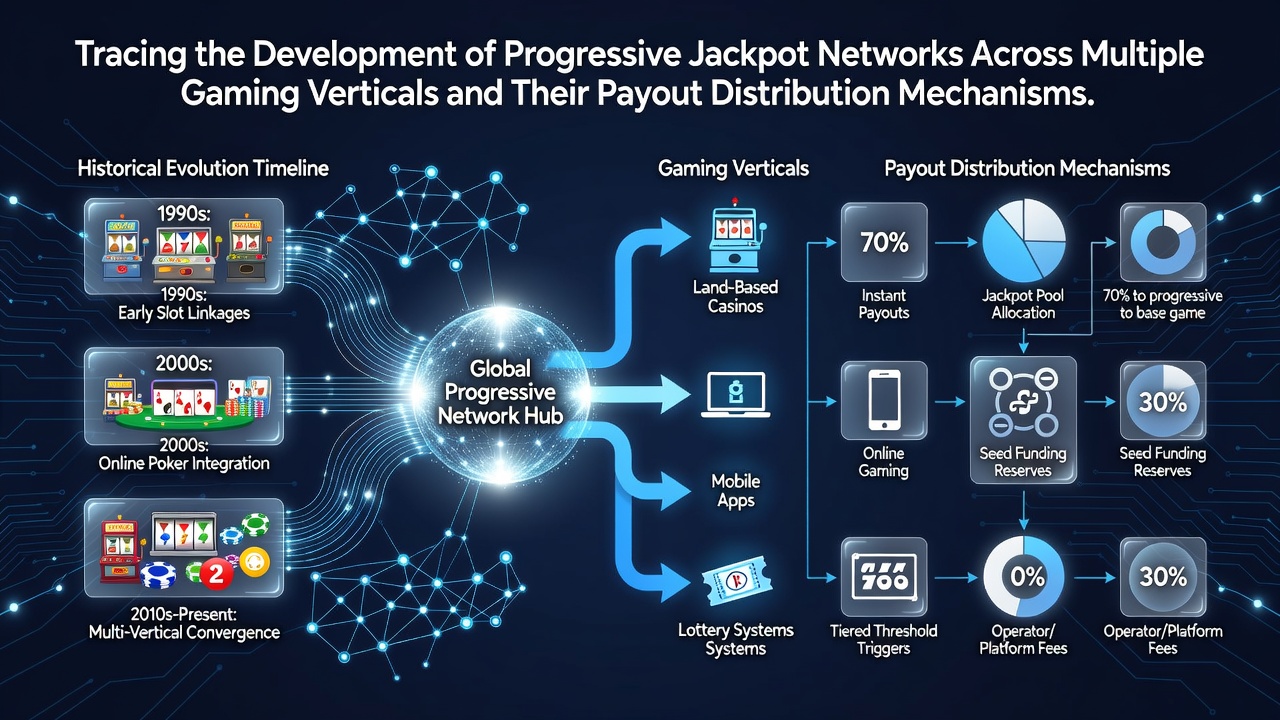
Progressive jackpot networks began in the early 1980s when operators in Nevada linked multiple slot machines to a shared prize pool that grew with each wager, and the Nevada Gaming Control Board documented these initial systems as they expanded across state floors. Operators connected machines through local area networks so that every bet contributed a small percentage to the accumulating total, which created larger payouts than standalone machines could offer while the random trigger mechanism determined winners at unpredictable intervals.
By the late 1980s these networks had spread beyond single properties to wide-area systems that linked casinos across regions, and data from regulatory filings shows contribution rates typically ranged from one to three percent of each wager added to the progressive meter. Payout distribution relied on a combination of base game returns and the progressive component, with operators seeding new jackpots at predetermined levels to maintain player interest during reset periods.
Expansion Across Gaming Verticals
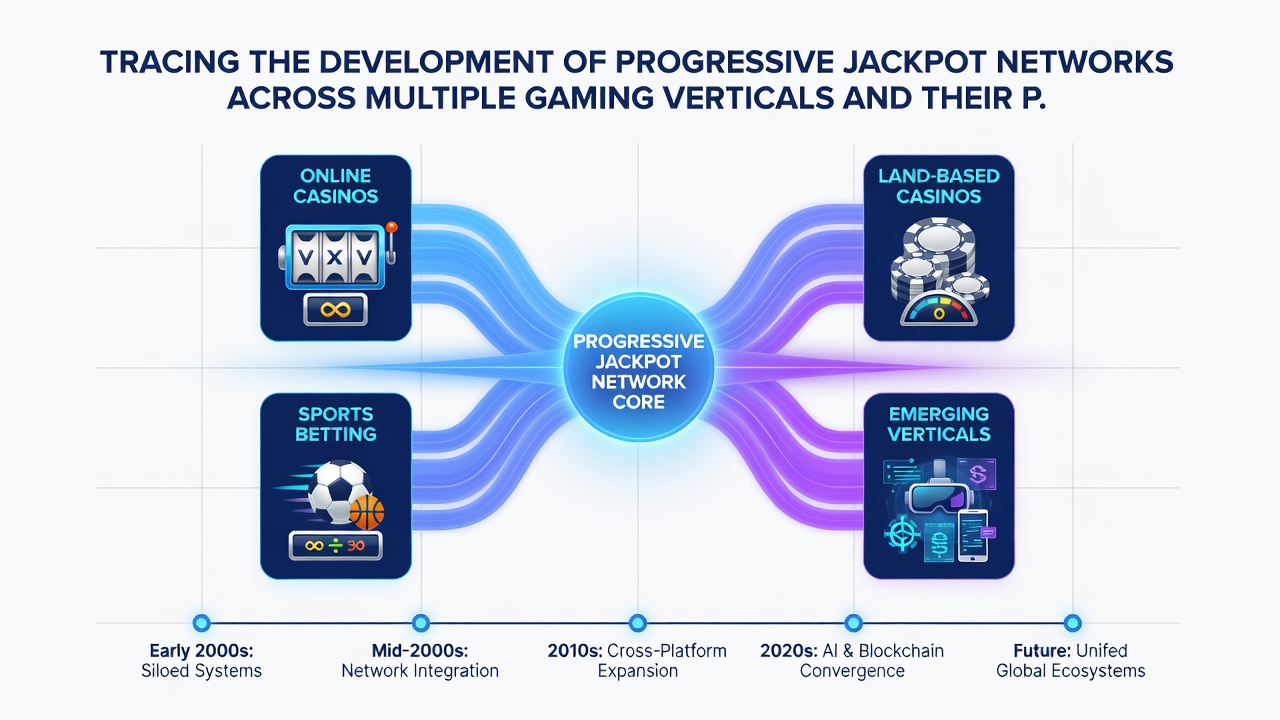
Networks moved into video poker and keno during the 1990s as software platforms allowed operators to apply the same accumulation logic to different game types, while researchers tracking revenue patterns noted that cross-vertical linking increased overall participation because players could chase the same jackpot from varied machines. Bingo halls adopted similar mechanics in some jurisdictions, and the structure required separate metering systems that tracked contributions from each vertical independently before pooling them into unified prize funds.
Table game integrations followed in the 2000s when electronic versions of roulette and blackjack incorporated side bets that fed progressive pools, and reports from the Nevada Gaming Control Board indicate these additions required new regulatory approvals to ensure transparent tracking of funds across game categories. Multi-vertical networks demanded sophisticated reconciliation processes because contribution percentages varied by game type, with slots often contributing more than table games due to higher handle volumes.
Payout Distribution Mechanisms
Distribution systems evolved to include both random and must-hit-by features, where random triggers selected winners based on internal algorithms while must-hit-by caps guaranteed a payout once the meter reached a set threshold, and industry analyses show these dual approaches balanced operator risk with player expectations. Seeding amounts came from reserve accounts funded by prior contributions or operator capital, and the process ensured the jackpot never started at zero after a win.
Online platforms introduced additional layers during the 2010s when remote participation joined land-based networks, and contribution data flowed through secure servers that allocated percentages across jurisdictions while maintaining separate ledgers for each region. Payout verification required independent audits that confirmed the meter total matched accumulated contributions minus approved expenses, and regulatory bodies in multiple markets established standardized reporting intervals to monitor compliance.
Developments Through Mid-2026
By July 2026 wide-area networks had incorporated mobile interfaces that allowed players to track meter growth in real time across slots, video poker, and select table games, while data from the Nevada Gaming Control Board showed continued growth in progressive handle as operators refined contribution algorithms. Cross-border systems in North America and parts of Europe synchronized payout rules to accommodate different tax treatments, and researchers documented how these adjustments affected the frequency of large wins without altering the underlying accumulation formulas.
Multi-vertical pooling now includes live dealer hybrids where side bets on digital tables feed the same pools as traditional slots, and operators use centralized management software to adjust seeding levels based on historical payout patterns. Figures from regulatory submissions reveal that average contribution rates stabilized around two percent across most networks, with higher rates applied to games offering larger potential jackpots to maintain system sustainability.
Conclusion
Progressive jackpot networks have developed from localized slot connections into multi-vertical systems that span land-based and digital environments, and their payout mechanisms continue to rely on precise contribution tracking, seeding protocols, and verified distribution rules. Observers note that ongoing regulatory oversight and technological integration shape how these networks operate across jurisdictions while preserving the core principle of shared prize accumulation. Data from sources such as the Nevada Gaming Control Board and reports by the Australian Institute of Family Studies provide ongoing visibility into how these systems function and evolve.