Regional Regulatory Shifts Driving Biometric Verification Trends in International Virtual Poker Circuits
Written by Morgan Krause · Aug 21, 2026

Regional Regulatory Shifts Driving Biometric Verification Trends in International Virtual Poker Circuits
Regional regulatory shifts have accelerated the adoption of biometric verification across international virtual poker circuits as governments and oversight bodies tighten identity protocols to combat fraud, money laundering, and underage access. Platforms operating across multiple jurisdictions now integrate facial recognition, fingerprint scanning, and voice analysis to meet compliance standards that vary by region yet share common goals of enhanced security and player authentication.
European Union Updates Influence Cross-Border Verification Standards
Changes in the European Union have prompted poker operators to upgrade their verification systems, with directives on digital identity and financial crime prevention pushing for more robust checks. As of August 2026, several member states have aligned their gaming regulations with broader EU digital wallet frameworks, requiring real-time biometric confirmation during account creation and high-value transactions. Researchers at European gaming associations note that these measures reduce reliance on traditional document uploads while maintaining audit trails for regulatory reviews.
Operators serving players from multiple EU countries have consolidated their systems around interoperable biometric tools, allowing seamless compliance when users cross borders within the bloc. Data from the European Union Agency for Cybersecurity indicates rising integration rates of liveness detection features that distinguish between live users and spoofed attempts, particularly in markets where virtual poker volumes have grown steadily.
Asia-Pacific Jurisdictions Tighten Identity Protocols
Countries across Asia-Pacific have introduced fresh licensing conditions that mandate biometric enrollment for virtual poker participants, driven by concerns over cross-border fund flows and identity theft. Regulators in Australia and Singapore have rolled out updated guidelines requiring periodic re-verification using facial or fingerprint data, which has led international circuits to standardize these technologies across their user bases. Observers at regional industry forums report that these requirements have streamlined player onboarding in licensed environments while creating technical hurdles for platforms that previously relied on lighter verification methods.
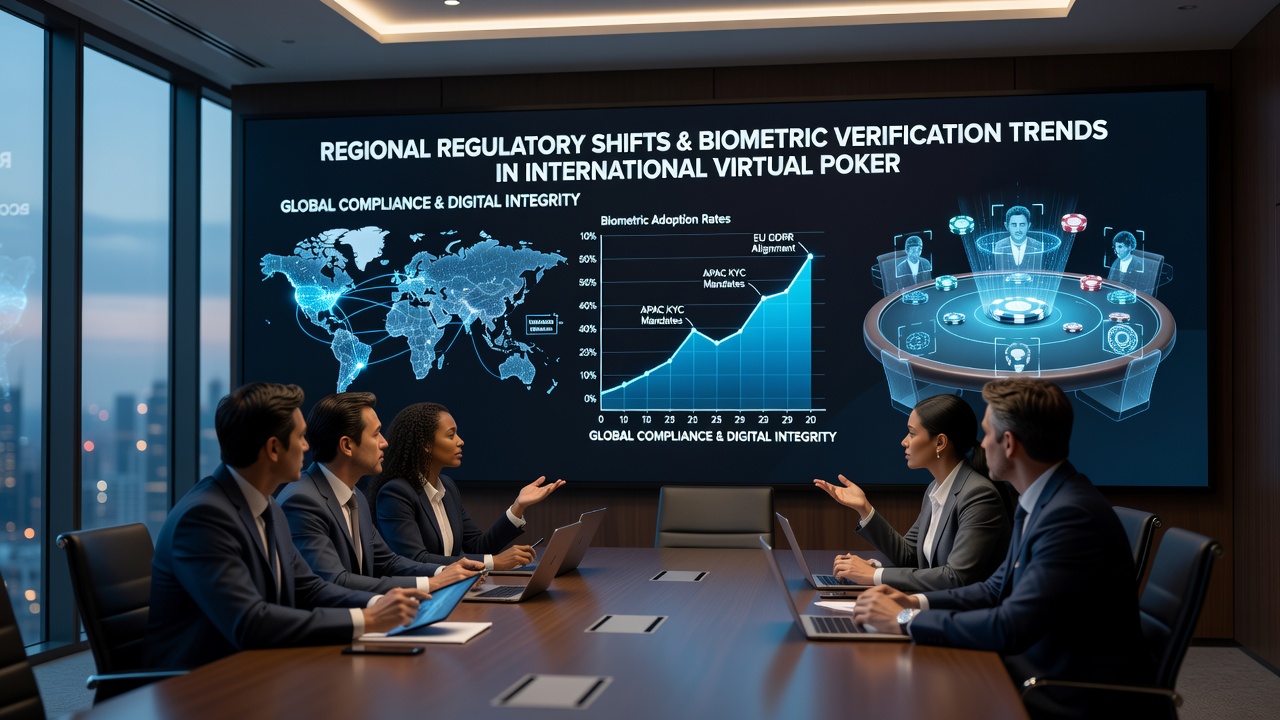
One study from an Australian research institution examined how these shifts affected player retention rates and found that sites offering quick biometric options experienced fewer disruptions during compliance audits. Meanwhile, markets like Japan and South Korea continue to refine their approaches, with authorities testing pilot programs that combine biometric data with blockchain-based transaction logs to enhance traceability in poker tournaments.
North American Developments Shape Platform Requirements
Provincial and state-level regulators in North America have advanced biometric mandates in response to expanding online poker offerings, with Canadian authorities emphasizing secure authentication to protect cross-provincial player pools. Figures from the Canadian Gaming Regulators Association reveal increased deployment of multi-factor biometric systems that combine facial scans with behavioral analytics, helping operators meet varying provincial standards without fragmenting their international user experiences. In the United States, certain tribal and commercial gaming commissions have followed similar paths, incorporating these tools to address federal reporting obligations tied to virtual gaming activities.
Platforms catering to North American audiences have adapted by embedding these verification layers directly into their poker software, which allows for real-time checks during tournaments and cash games. Those who've studied these transitions point out that the changes have encouraged greater collaboration between technology providers and regulators, resulting in more consistent standards across borders.
Impact on International Poker Circuits and Technology Adoption
International virtual poker circuits have responded to these regional pressures by investing in unified biometric platforms that satisfy multiple regulatory regimes simultaneously. Circuit organizers report that such systems reduce verification delays for players moving between events hosted in different jurisdictions, while also generating the detailed logs required during compliance examinations. What's notable is how these adaptations have influenced software development priorities, with providers prioritizing modular biometric components that can be toggled based on a user's location and applicable rules.
Evidence from industry reports suggests that adoption rates have climbed as operators weigh the costs of non-compliance against the benefits of streamlined operations. Take one circuit that expanded its events into newly regulated Asian markets; it implemented region-specific biometric thresholds to align with local demands without overhauling its global infrastructure. Such examples illustrate how regulatory diversity drives innovation rather than creating uniform barriers.
Conclusion
Regional regulatory shifts continue to reshape biometric verification practices within international virtual poker circuits, fostering a landscape where technology providers and operators align their tools with evolving compliance landscapes. As jurisdictions refine their approaches through 2026 and beyond, the emphasis on secure, efficient authentication methods supports the sustained growth of these circuits while addressing core regulatory priorities around identity and financial integrity.