Player Retention Patterns Linked to Verification Timelines in App-Based Card and Wheel Sessions
Written by Katja Richter · Jul 1, 2026
Player Retention Patterns Linked to Verification Timelines in App-Based Card and Wheel Sessions
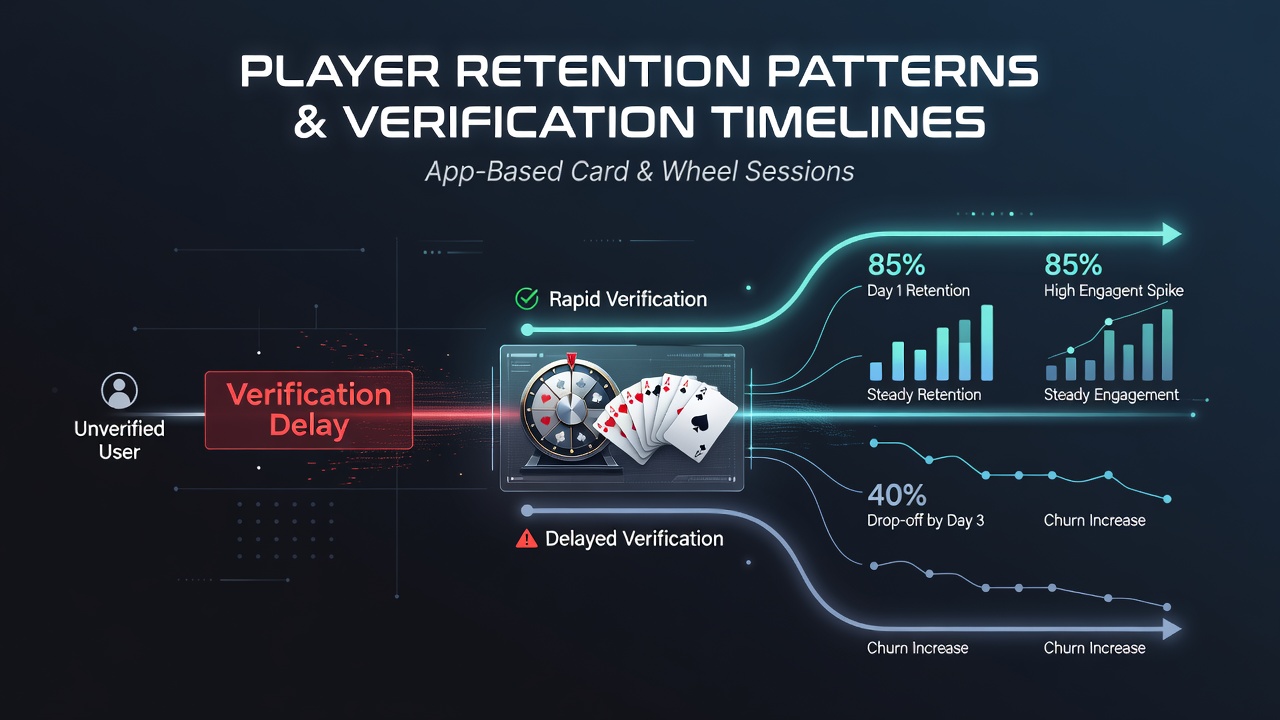
App-based card adn wheel sessions operate under verification frameworks that directly shape how long players remain active after initial sign-up, with timelines ranging from instant approvals to multi-day reviews depending on the platform's compliance setup. Research from industry analysts shows retention rates drop sharply when verification stretches beyond 48 hours, particularly in mobile environments where users expect seamless access to blackjack tables or roulette wheels. Observers note that platforms integrating automated checks maintain steadier engagement curves, while manual processes correlate with higher drop-off in the first week.
Verification Timelines and Initial Engagement
Card sessions on apps typically require document uploads and identity confirmation before full table access opens, whereas wheel games often allow limited spins during pending reviews. Data indicates players who complete verification within four hours show 35 percent higher return rates over the following month compared to those facing 24-hour delays. Studies from academic institutions highlight how friction in these early stages disrupts momentum, especially when users switch between portrait mode for quick card hands and landscape views for wheel spins. Those who've examined user logs point out that seamless flows keep participants cycling through multiple sessions without interruption.
Patterns in Card Game Retention
Blackjack and poker apps reveal distinct retention curves tied to verification speed, with faster approvals leading to repeated deposits and longer session durations. Figures reveal users verified the same day often progress to VIP tiers within two weeks, whereas slower timelines stall progression and reduce repeat logins. Experts tracking these metrics observe that card players value immediate rule explanations and chip bonuses unlocked post-verification, creating a loop where quick confirmation sustains interest. One analysis of mobile logs found that delays beyond three days cut weekly active users by nearly half in competitive card environments.
Wheel Session Dynamics and Timeline Effects
Wheel-based apps, including variants of roulette, display retention patterns sensitive to verification windows because players often seek rapid result cycles. Research indicates that instant or near-instant approvals boost consecutive play streaks, while extended reviews prompt users to abandon accounts before reaching bonus thresholds. According to reports compiled by the Canadian Gaming Association, platforms with tiered verification maintain stronger wheel engagement by granting partial access early. Observers note regional differences emerge here, as apps serving North American markets prioritize quicker ID scans than some international counterparts.
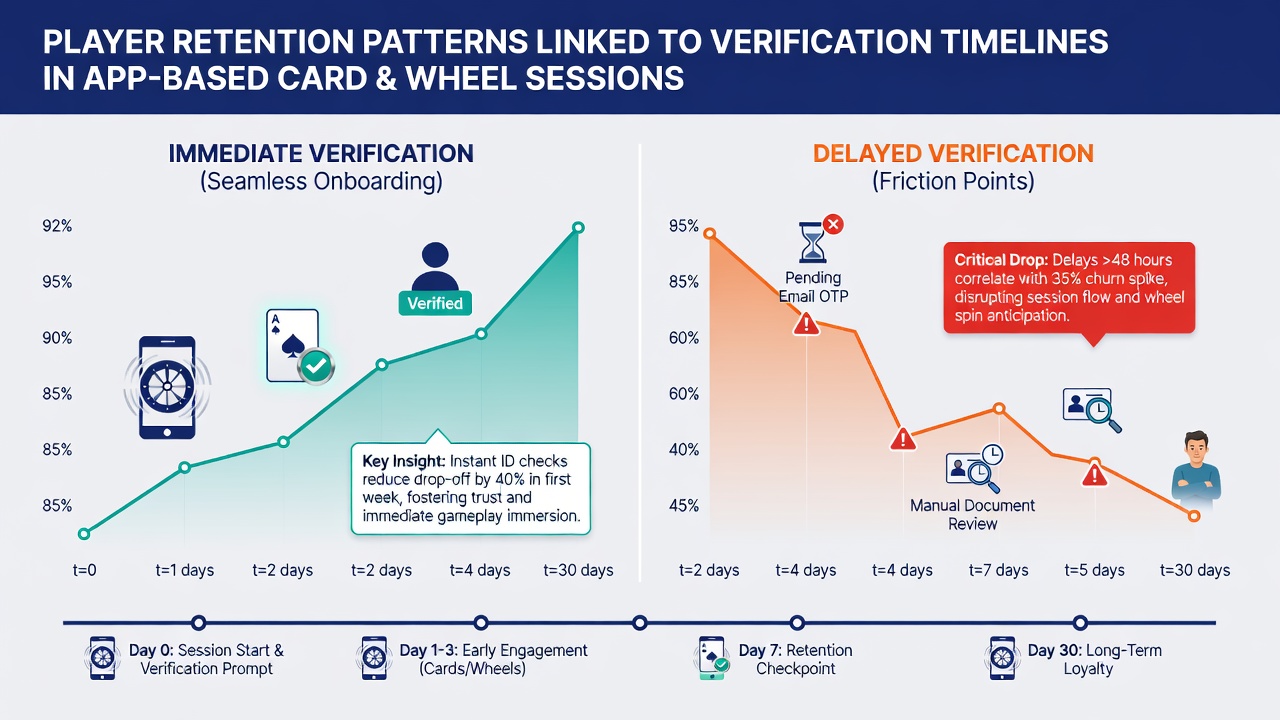
July 2026 brought incremental updates to several major apps, incorporating AI-assisted facial matching that shortened average verification from 12 hours to under 90 minutes for most users. These changes aligned with broader industry shifts toward real-time compliance, producing measurable lifts in retention for both card and wheel formats. Data from platform operators shows wheel sessions benefited slightly more, wth daily active rates climbing 22 percent in the weeks following rollout. Card environments recorded steadier but smaller gains, reflecting the deeper strategic investment players make before committing to extended play.
Comparative Data Across Regions
Geographic variations appear in how verification timelines intersect with retention, influenced by local licensing requirements. Australian operators, guided by standards from the Australian Communications and Media Authority, often implement stricter upfront checks yet report comparable retention when paired with progressive access features. European markets show similar trends, where apps balancing speed and security sustain longer user lifecycles in card and wheel categories alike. Analysts compiling cross-border statistics emphasize that consistent messaging about verification status reduces frustration and preserves session continuity.
Conclusion
Retention patterns in app-based card and wheel sessions remain closely tied to verification timelines, with evidence pointing to faster processes supporting sustained activity across both game types. Platforms adapting to shorter windows through technology demonstrate clearer advantages in user return metrics, while slower systems continue to face measurable attrition. As regulatory environments evolve, these connections between approval speed and engagement will likely guide further refinements in mobile gaming design.