Patterns linking verification sequences with extended play cycles in browser-based reel and card formats across emerging markets
Written by Viktor Zimmermann · Jun 28, 2026
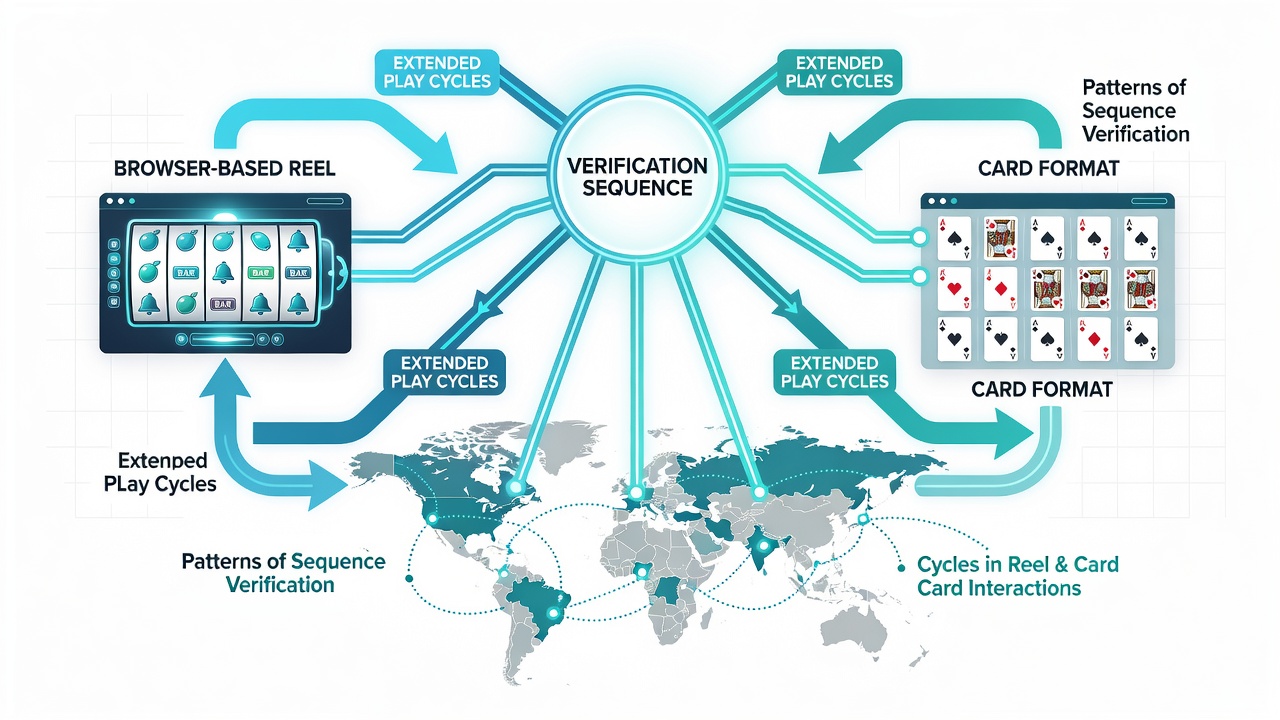
Patterns linking verification sequences with extended play cycles in browser-based reel and card formats across emerging markets
Verification sequences in browser-based reel and card formats have developed measurable connections to longer play cycles throughout emerging markets in regions such as Southeast Asia, Latin America, and parts of Africa, where digital access continues to expand rapidly. These patterns appear in how initial identity checks, payment confirmations, and compliance steps align with sustained user engagement once accounts receive full activation. Data from regulatory filings shows that platforms implementing sequential verification steps often record session durations that extend beyond those seen in less structured environments, particularly when reel spinning mechanics and card table interfaces operate within the same browser session.
Verification flows and their role in session continuity
Browser-based systems in markets like the Philippines and Brazil integrate verification through layered steps that include document uploads, mobile number confirmation, and sometimes biometric elements before full feature access unlocks. Once these gates clear, users transition into extended reel cycles or card rounds without repeated interruptions, creating a direct pathway from compliance completion to prolonged activity. PAGCOR reports indicate that operators following standardized verification timelines saw average session lengths increase by measurable margins in the first half of 2026, with reel formats showing stronger retention than standalone card environments. The process reduces friction points that previously caused early exits, allowing continuous play across multiple game types within a single browser window.
Regional data patterns in emerging markets
Analysts tracking browser activity across Latin American jurisdictions have documented correlations between streamlined verification and extended reel sequences, especially in Colombia and Mexico where mobile data networks support persistent connections. Card formats such as blackjack and poker variants demonstrate similar extensions when verification includes real-time payment authorization, since players remain logged in through multiple rounds. In Southeast Asian territories, figures from PAGCOR-linked operators reveal that June 2026 brought noticeable upticks in cycle length following updates to verification protocols, with combined reel and card sessions lasting longer than isolated game types. These trends emerge consistently where regulatory frameworks encourage transparent onboarding rather than minimal checks.
Technical integration of reel and card formats
Platforms operating in emerging markets often embed reel and card formats within unified browser environments that share the same verification pipeline, allowing seamless movement between spinning mechanics and table decisions once initial approval completes. This integration supports extended play cycles because players avoid re-entering credentials or repeating checks when switching formats. Observers note that the shared sequence creates momentum, where completion of verification in one format carries over directly to the other, reducing drop-off rates during transitions. Research from regional gaming associations highlights that such unified systems produce higher cumulative play time, with data logs showing reel sessions frequently leading into card rounds and vice versa within the same verified account.
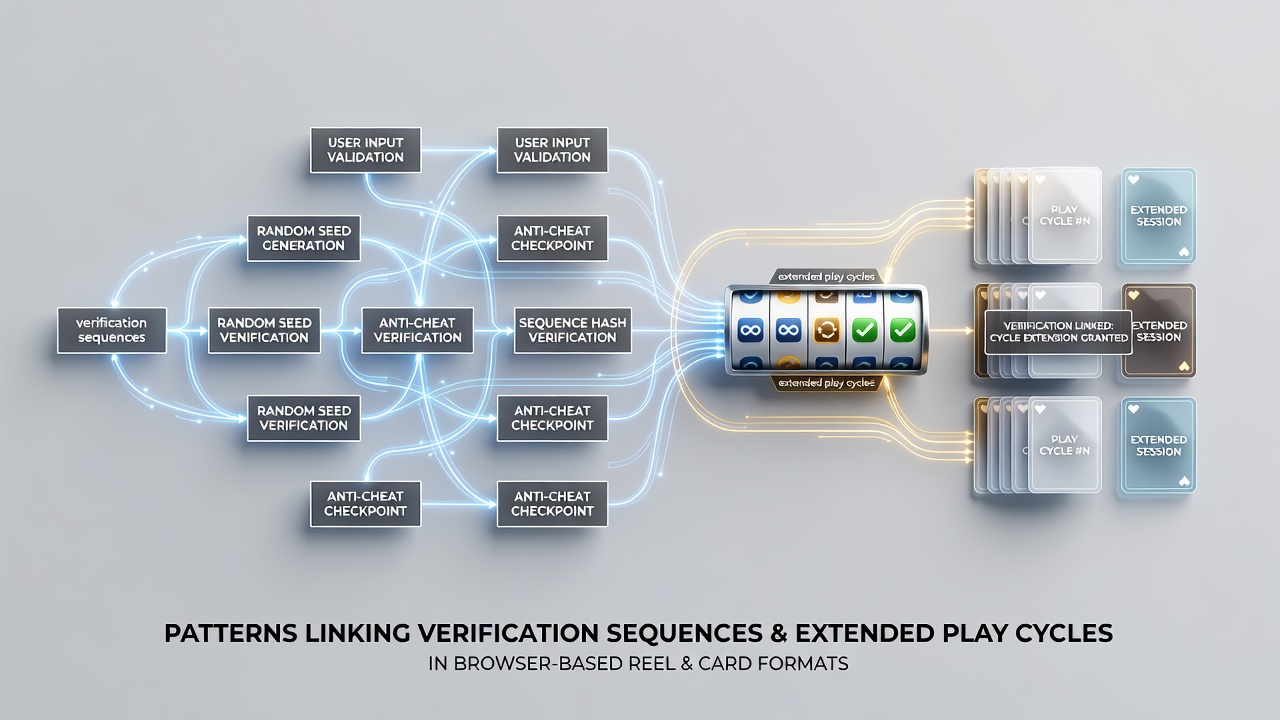
Payment verification and cycle extension links
Payment-related verification steps add another dimension to the observed patterns, since authorized transactions often coincide with longer subsequent play periods in both reel and card environments. In African markets where browser access grows through smartphone adoption, completed deposit confirmations correlate with sustained activity across multiple days rather than single sessions. The sequence typically flows from identity validation to funding approval, after which users engage in extended reel cycles before exploring card options, or the reverse order depending on initial game selection. Industry reports from South African regulatory bodies document these connections through aggregated operator data, showing that platforms with integrated payment verification maintain higher session continuity compared to those relying on separate processes.
Comparative observations across formats
Reel formats tend to exhibit quicker entry into extended cycles following verification because of their automated pacing, whereas card formats require additional decision points that can either prolong or interrupt play depending on verification timing. When both formats share a browser interface, however, the overall cycle length increases as users alternate between them without re-verification. Patterns documented in June 2026 across multiple emerging jurisdictions point to hybrid sessions where reel activity precedes card play or follows it within the same verified period, producing cumulative engagement metrics that exceed single-format results. This holds true particularly in areas with improving internet infrastructure that supports uninterrupted browser connections.
Conclusion
Patterns connecting verification sequences to extended play cycles continue to appear across browser-based reel and card formats in emerging markets as regulatory and technical systems mature. Data from operators and regional authorities demonstrate consistent links between structured onboarding steps and longer combined sessions, especially where reel and card environments operate within shared interfaces. These connections reflect measurable outcomes from compliance processes rather than isolated trends, with evidence accumulating through 2026 in jurisdictions that track such metrics systematically.