Geographic Variations in Preferred Transaction Options for Accessing Digital Entertainment Hubs
Written by Katja Schmidt · Aug 19, 2026
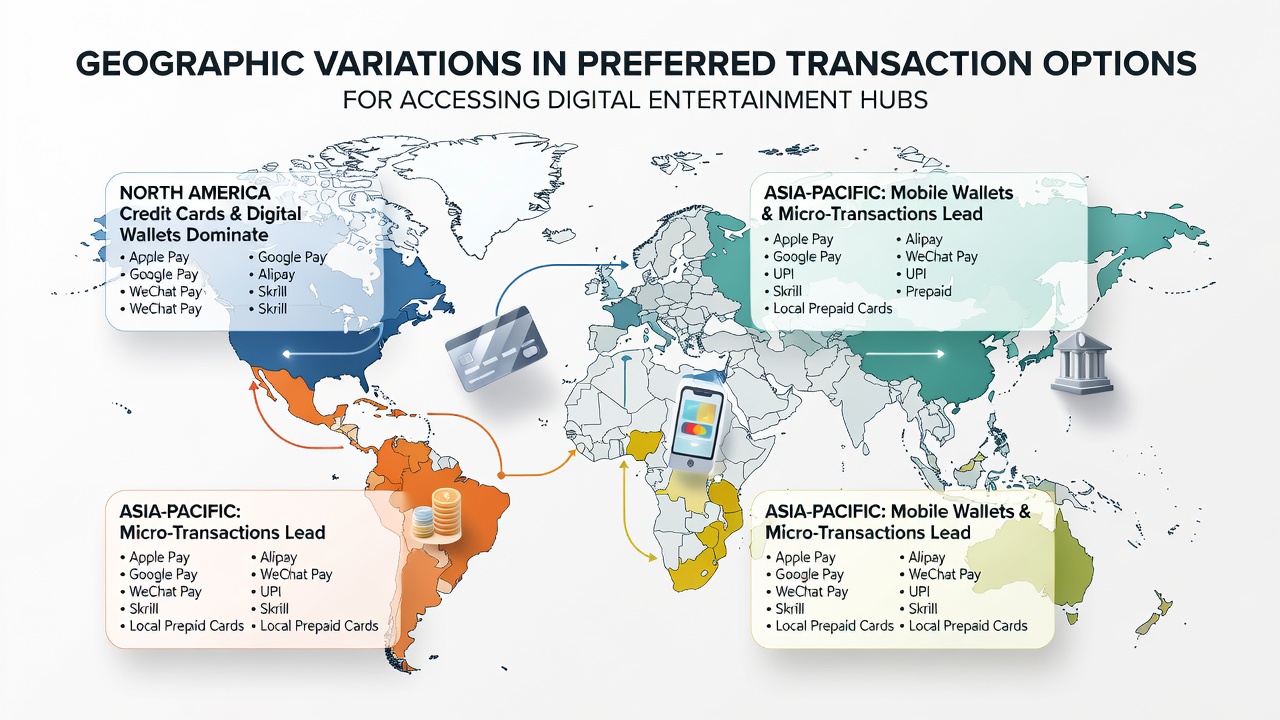
Geographic Variations in Preferred Transaction Options for Accessing Digital Entertainment Hubs
Digital entertainment hubs rely on diverse transaction methods that shift noticeably from one region to another, and observers tracking these patterns note clear distinctions shaped by local regulations, banking infrastructure, and user habits. Data collected through industry reports shows that credit and debit cards remain dominant in North America while e-wallets and bank transfers gain stronger footholds elsewhere, whereas crypto options accelerate in parts of Asia and Latin America.
North American Transaction Patterns
Users across the United States and Canada frequently select credit cards and ACH bank transfers when entering digital entertainment platforms, and this preference stems from established banking networks that support quick authorization and fraud protection features. Figures from regulatory filings indicate that credit card transactions accounted for over 45 percent of deposits in several major markets during the first half of 2026, while ACH options rose steadily in states with expanded online access. Observers note that debit card usage trails slightly behind credit in most jurisdictions, yet it gains traction where instant processing matters most to players seeking immediate entry into slots or table environments.
Canadian provinces display similar trends, although Interac e-Transfers appear more often in Ontario and British Columbia than in the southern border states. Research compiled by national gaming associations reveals that these localized methods reduce processing times compared with traditional wire services, and they integrate smoothly with mobile applications that dominate access in both countries.
European and Australian Preferences
European markets demonstrate heavier reliance on e-wallets such as Skrill, Neteller, and PayPal, and these services handle a substantial share of deposits because they offer multi-currency support along with built-in spending controls. Payment data released in August 2026 by regional monitoring bodies shows e-wallet transactions exceeding 60 percent in several Western European countries, while direct bank transfers via systems like SEPA maintain steady usage for larger sums. Prepaid vouchers and Paysafecard remain popular among users who prefer to limit exposure, particularly in markets with stricter deposit limits.
Australian patterns diverge further because local regulations favor POLi and BPAY transfers that link directly to bank accounts, and these methods appear in roughly 35 percent of transactions according to industry summaries. Credit cards see reduced volume after recent policy adjustments, yet they persist for users who value reward points and streamlined checkout flows.
Asian and Emerging Market Trends
Across Asia, cryptocurrency wallets and local digital payment systems lead adoption rates, and platforms report that Bitcoin, USDT, and regional alternatives such as UPI in India or Alipay in China-adjacent markets facilitate faster cross-border access. Studies conducted by academic research groups highlight that crypto transactions grew by double-digit percentages year-over-year through mid-2026, driven by volatility hedging and privacy considerations that traditional banks often restrict. Southeast Asian countries show strong uptake of GrabPay and similar mobile wallets, which integrate entertainment hub logins wth everyday financial apps.
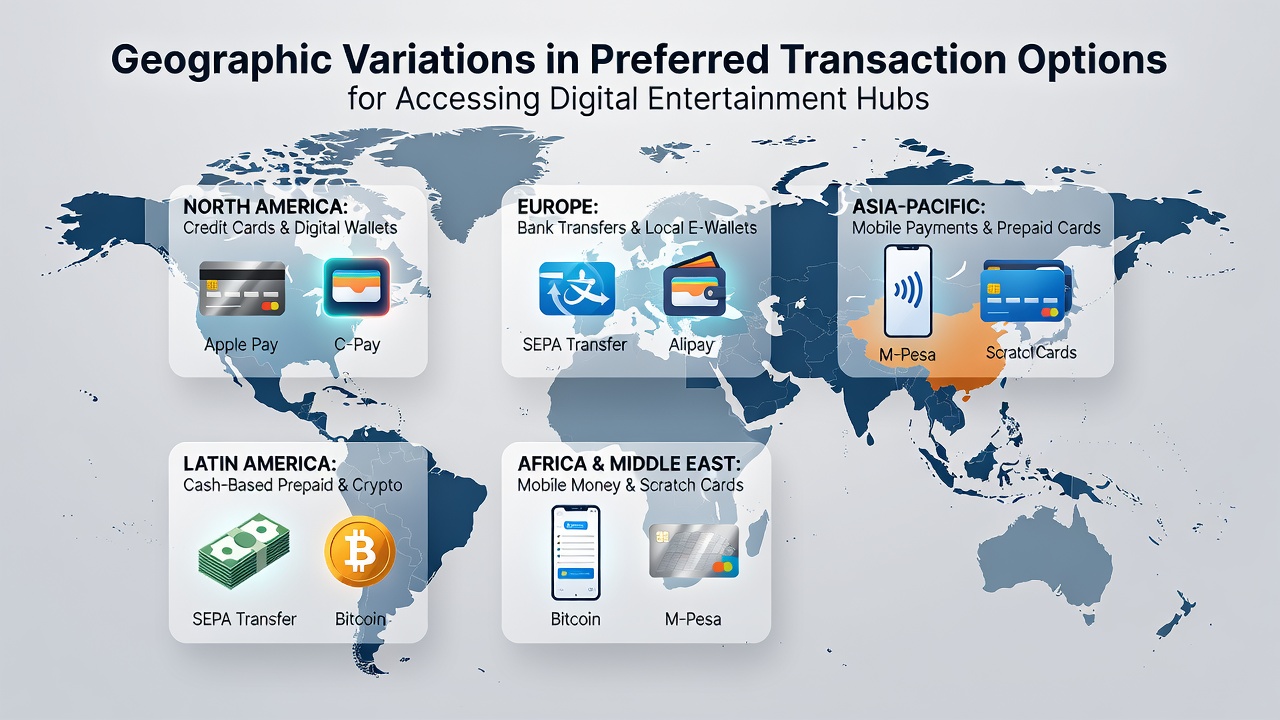
Latin American users lean toward local debit networks and emerging crypto gateways, while African markets increasingly adopt mobile money services like M-Pesa for both deposits and withdrawals. These regional solutions address limited credit card penetration and currency conversion challenges that affect international platforms.
Regulatory Influences on Payment Choices
Government policies shape available options more than any other factor, and licensing requirements in each jurisdiction dictate which processors can operate legally. In jurisdictions where banking partnerships face restrictions, users migrate toward crypto or prepaid alternatives that bypass traditional rails. Reports from the Australian Communications and Media Authority document how such shifts occurred after 2025 policy updates, while data from Canadian provincial regulators illustrate parallel movements toward Interac and e-wallet dominance.
Security protocols also vary, with European markets enforcing strong customer authentication that adds verification steps, whereas Asian crypto exchanges emphasize wallet address confirmation and two-factor authentication tied to mobile devices. These differences create distinct user experiences that platforms must accommodate through flexible checkout designs.
Conclusion
Geographic variations in transaction preferences for digital entertainment hubs continue to evolve as regulations, technology, and banking infrastructure advance, and comprehensive tracking by research institutions reveals ongoing adaptation rather than convergence toward a single standard. Platforms that accommodate multiple regional methods maintain broader reach while complying with local rules that govern each market.