Examining connections between portable device accessibility and the development of tiered membership benefits in virtual entertainment venues
Written by Morgan Krause · Aug 23, 2026
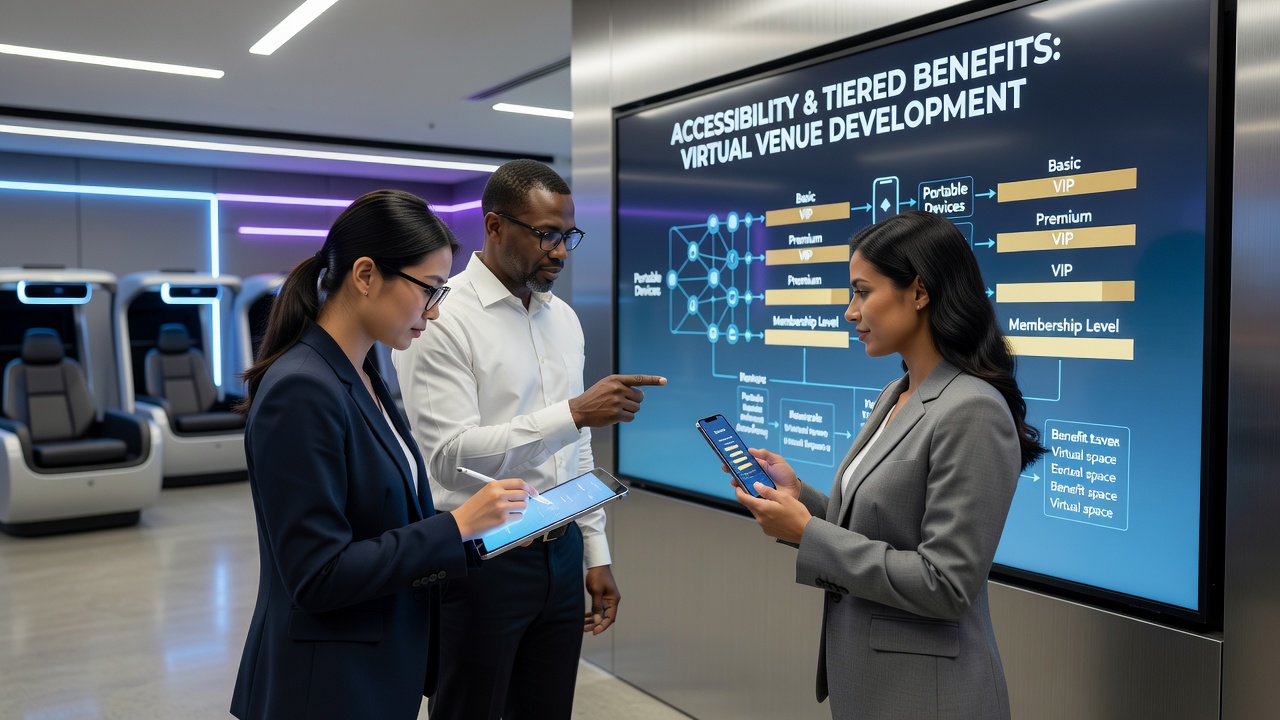
Examining connections between portable device accessibility and the development of tiered membership benefits in virtual entertainment venues
Portable device accessibility has expanded reach into virtual entertainment venues, where users engage through smartphones and tablets that support continuous participation in digital gaming environments. This shift has coincided with the growth of tiered membership systems that reward activity levels with escalating benefits such as bonus credits, priority access to live dealer tables, and customized game recommendations. Data from regulatory filings shows mobile sessions now account for over 70 percent of total playtime in many licensed platforms as of August 2026.
How Mobile Access Shapes User Tracking and Tier Qualification
Platforms collect granular data from portable devices including session duration, game selection patterns, and deposit frequency, which feeds directly into algorithms that determine tier placement. Observers note that players who access venues primarily via mobile often qualify for higher tiers faster because their activity registers in real time without the interruptions common in desktop-only use. Research from the New Jersey Division of Gaming Enforcement indicates that mobile-first accounts in 2025 recorded 35 percent more qualifying wagers than mixed-device profiles.
These systems rely on device identifiers and app analytics to build accurate behavioral profiles, allowing operators to segment users into bronze, silver, gold, or platinum levels with corresponding perks. The process accelerates when apps integrate push notifications that prompt additional play during off-peak hours, effectively increasing the volume of tracked activity that contributes to tier advancement.
Payment Integration and Tiered Reward Delivery
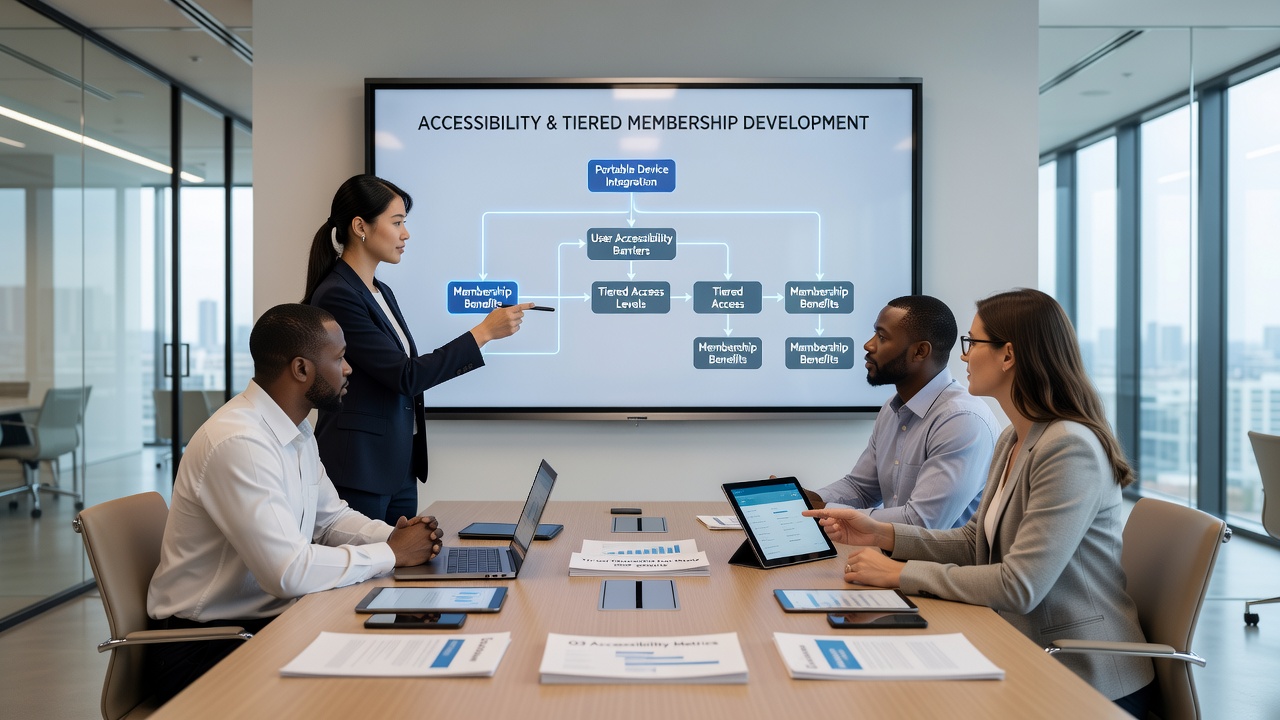
E-wallet and banking integrations on portable devices streamline deposits and withdrawals, which in turn support the infrastructure for immediate reward distribution at each membership tier. When a user completes a mobile transaction that meets tier thresholds, benefits such as cashback percentages or exclusive event invitations activate without manual intervention. Figures from the Australian Communications and Media Authority reveal that platforms offering seamless mobile payments saw a 28 percent rise in tier upgrades during the first half of 2026 compared to those with limited mobile financial options.
Regional Regulatory Influences on Mobile-Driven Tiers
Regulatory frameworks in different jurisdictions have begun addressing how mobile accessibility intersects with loyalty program transparency. In Canada, provincial oversight bodies require clear disclosure of how device-based play metrics influence membership status, which has prompted operators to refine their tier criteria for fairness. Similar requirements appear in several European markets where data protection rules limit the types of mobile telemetry that can determine reward eligibility. These rules have not slowed tier development but have encouraged more explicit communication about qualification pathways.
Industry reports compiled by the American Gaming Association document that virtual venues with strong mobile optimization retain tiered members at rates 22 percent higher than less accessible competitors. The data covers activity through mid-2026 and highlights correlations between app stability, battery-efficient design, and sustained engagement that feeds into higher membership levels.
Case Examples of Mobile Accessibility Driving Tier Evolution
One platform operating across multiple U.S. states implemented device-specific challenges that award tier points exclusively for mobile play, resulting in a documented increase in platinum-level members within six months. Another venue in the Asia-Pacific region introduced tier benefits tied to location-based mobile check-ins during live events, which expanded participation among users who previously engaged only sporadically. These adjustments demonstrate how accessibility features translate into measurable progression through membership structures.
Technical improvements such as biometric login and offline mode for certain games further reduce friction, allowing users to maintain consistent activity records that support tier retention. When portable devices handle both entertainment access and membership management in a single interface, the connection between daily use and benefit accumulation becomes tighter and more visible to the account holder.
Conclusion
The interplay between portable device accessibility and tiered membership development continues to evolve as operators refine data collection methods and regulators establish clearer guidelines. Platforms that prioritize mobile functionality tend to generate the activity volumes necessary for sophisticated tier systems, while users gain more transparent pathways to higher benefit levels. Current figures through August 2026 confirm that these connections remain central to how virtual entertainment venues structure long-term engagement and reward programs.