Deciphering How Verification Timelines Link Transaction Networks to Tiered Access in Portable Gaming Formats
Written by Morgan Krause · Jul 26, 2026
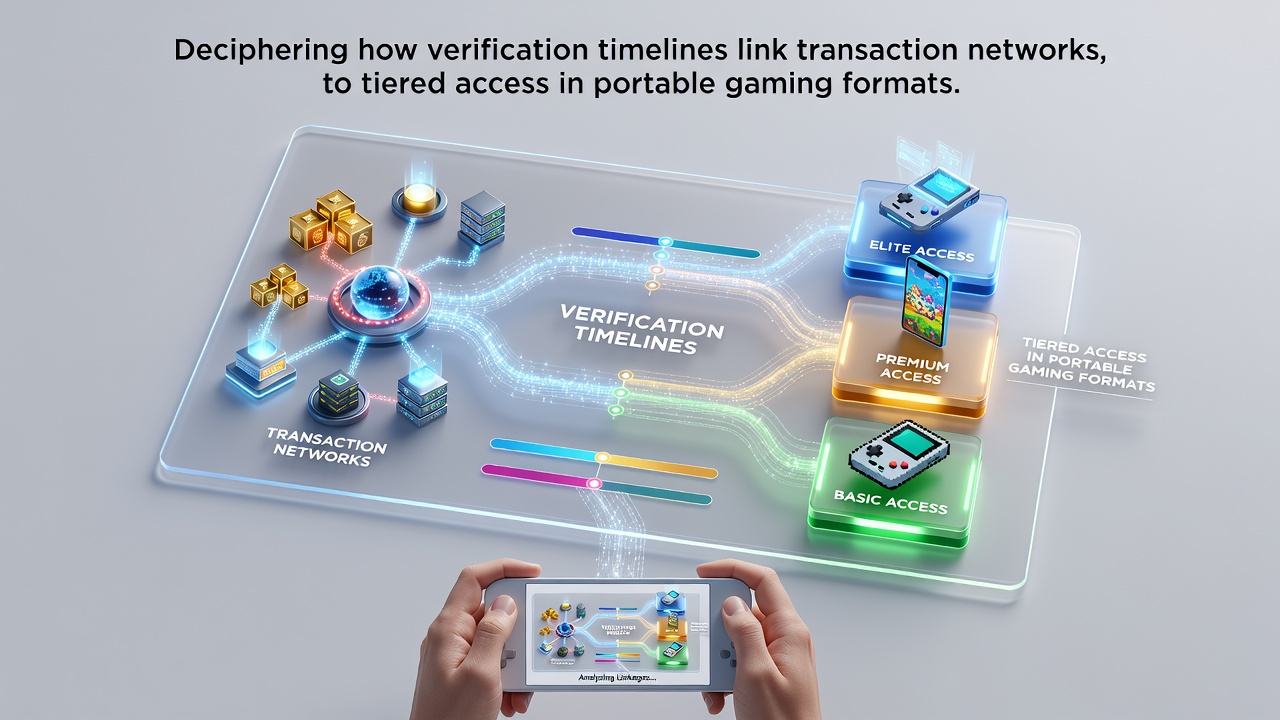
Deciphering How Verification Timelines Link Transaction Networks to Tiered Access in Portable Gaming Formats
Verification timelines form the backbone of how transaction networks determine access levels in portable gaming formats, and data from regulatory bodies shows these processes operate through interconnected systems that track user activity across mobile devices. Research from the University of Nevada's International Gaming Institute indicates that standard verification windows range from 24 to 72 hours in many jurisdictions, with automated checks pulling data from payment processors and identity databases to establish initial access tiers.
Core Mechanisms Behind Verification Timelines
Transaction networks process deposits and withdrawals through layered protocols that feed directly into tier classification algorithms, and studies from the Australian Institute of Criminology reveal that shorter verification periods correlate with faster progression to mid-level access in portable formats. These networks rely on real-time data exchanges between banks, e-wallets, and gaming operators, where each completed transaction updates a user's profile metrics such as volume, frequency, and source verification status.
Observers note that portable gaming formats introduce additional variables because device-based location tracking and app permission settings influence how quickly networks can confirm user details. In July 2026, updates to cross-platform data sharing standards allowed several major operators to reduce average verification times by integrating biometric signals from mobile hardware, according to figures released by the Nevada Gaming Control Board.
Transaction Networks and Their Role in Tier Progression
Transaction networks serve as the primary data pipeline that feeds tiered access decisions, and reports from Canada's provincial gaming authorities demonstrate that high-frequency transaction patterns trigger automatic reviews for elevated status. Networks categorize payments by type, with crypto transfers often completing verification cycles faster than traditional card methods due to blockchain transparency features.
People who've examined operator systems find that each transaction carries metadata including amount, origin country, and device fingerprint, which algorithms cross-reference against compliance rules before granting tier upgrades. This process creates a direct link where verified transaction volume becomes the measurable factor that determines whether a user moves from basic access to restricted or premium portable features.
Linking Verification Speed to Tiered Access Levels
Verification timelines directly control the pace at which users unlock tiered access because operators use these windows to complete risk assessments before expanding permissions in portable gaming environments. Data shows that users who complete identity checks within the first 48 hours typically receive access to intermediate tiers sooner than those whose verifications extend beyond standard periods.
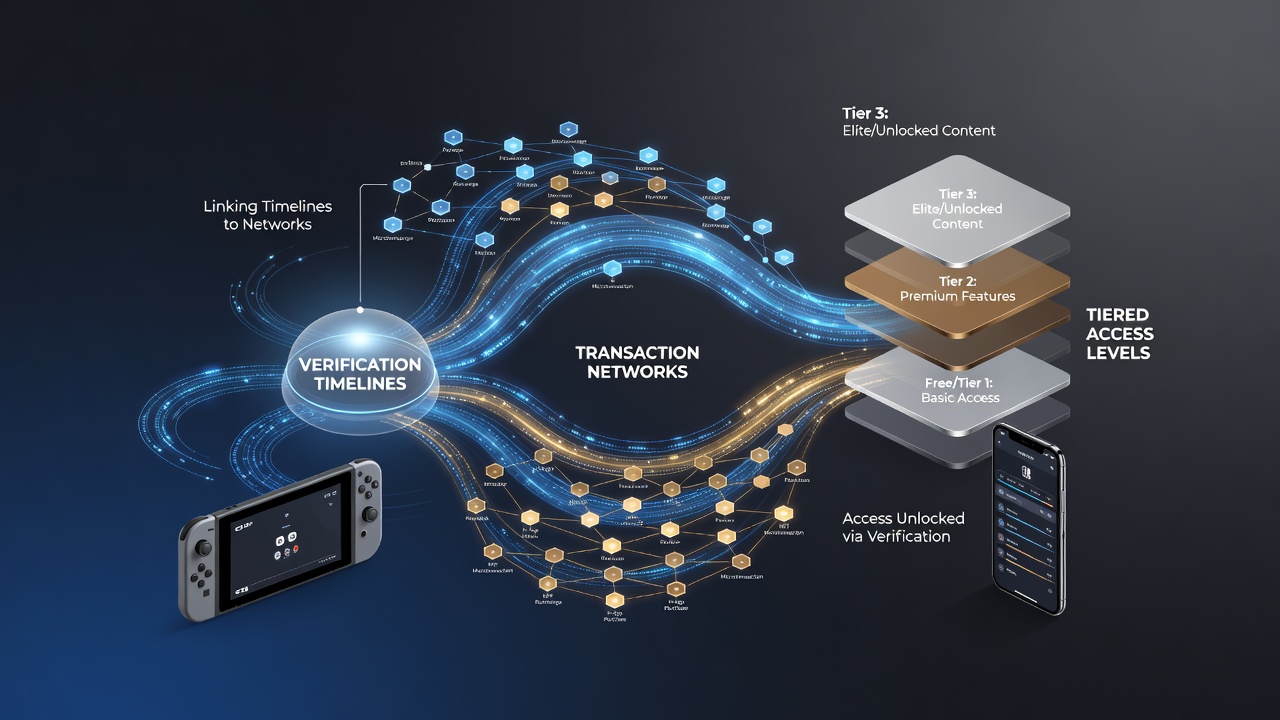
Researchers discovered that tier thresholds often align with cumulative transaction values processed through the network, creating a measurable pathway where each verified payment contributes to the next access level. Portable formats amplify this connection because users frequently switch between devices, requiring networks to reconcile verification status across sessions to maintain consistent tier benefits.
Evidence from industry reports indicates that delays in verification can stall tier progression for days or weeks, particularly when additional documentation requests interrupt the transaction flow. Those who've studied these systems observe that automated re-verification triggers appear after certain transaction thresholds, resetting timelines and temporarily limiting access until new checks conclude.
Portable Gaming Specifics and Network Integration
Portable gaming formats require transaction networks to handle variable connectivity and device changes while maintaining verification accuracy, and data from the Singapore Tourism Board’s gaming division highlights how mobile-specific protocols affect tier access speed. Operators embed verification checkpoints into app update cycles, ensuring that transaction history remains synchronized even when users move between Wi-Fi and cellular connections.
Networks employ geolocation data alongside transaction records to confirm consistency, which influences how quickly tiered features activate in portable environments. Studies indicate that formats supporting multiple payment rails experience more complex verification timelines because each rail maintains separate compliance requirements that feed into the central access system.
Conclusion
Verification timelines, transaction networks, and tiered access form an integrated system in portable gaming formats where each element determines the operational pace of the others. Research continues to track how updates in network technology and regulatory requirements reshape these connections, particularly as portable devices evolve and transaction volumes grow across global markets.