Cross-Border Licensing Shifts and Their Effects on Transaction Security Protocols Within Portable Gaming Ecosystems
Written by Morgan Krause · Jun 5, 2026
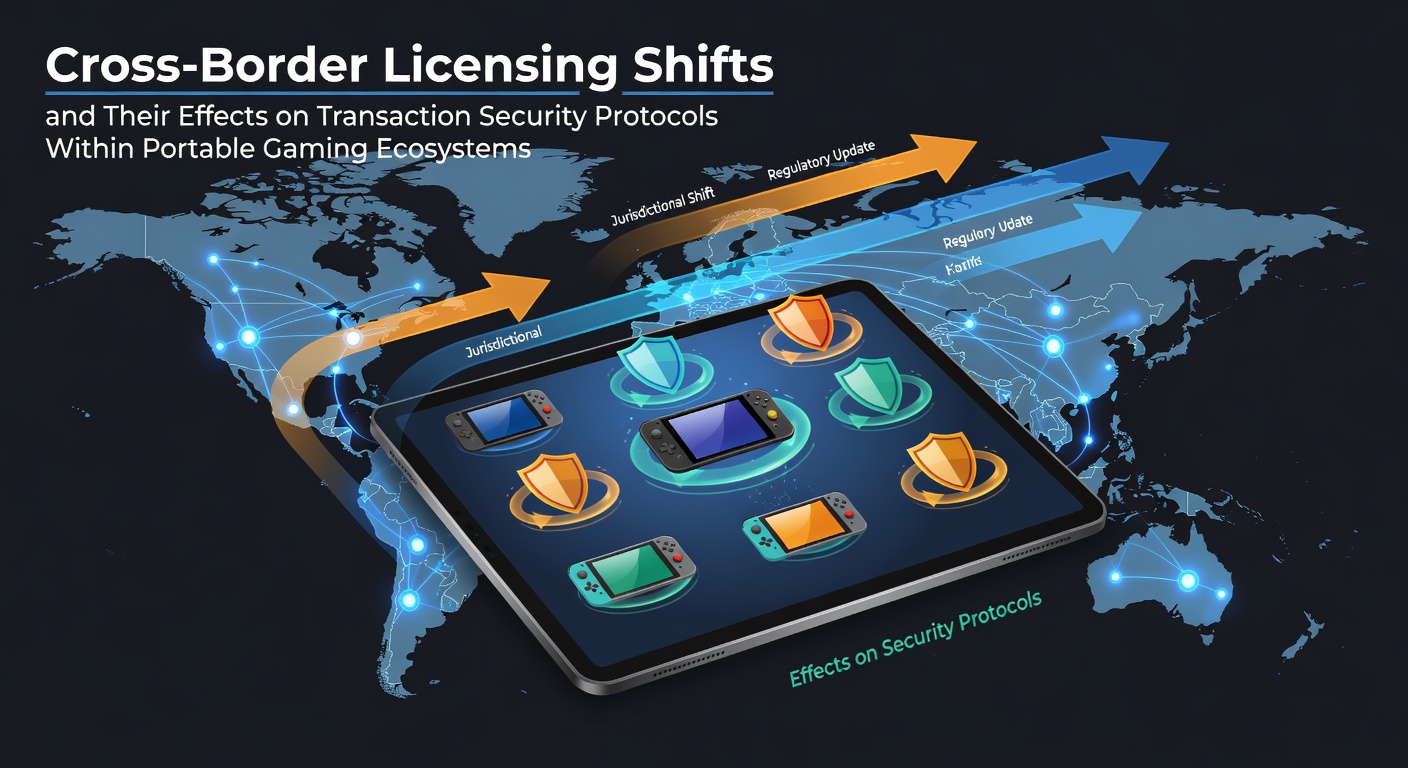
Cross-Border Licensing Shifts and Their Effects on Transaction Security Protocols Within Portable Gaming Ecosystems
Regulatory bodies across multiple continents have adjusted licensing requirements for portable gaming platforms since early 2025, and these modifications directly influence how developers implement transaction security measures in mobile environments. Data from industry reports show that licensing agreements now incorporate stricter clauses on data localization and payment processing standards, which forces ecosystem operators to revise their encryption frameworks and authentication sequences. Observers note that portable gaming transactions, including in-app purchases and subscription renewals, must align with varying national rules on consumer data handling while maintaining seamless cross-device functionality.
Recent Adjustments in Licensing Structures
European authorities updated digital market directives in late 2025 to require explicit licensing disclosures for apps that facilitate international user payments, and this change took effect progressively through the first half of 2026. Developers must now demonstrate compliance with localized financial reporting before securing distribution rights in multiple jurisdictions, which adds layers of verification to every transaction flow. Meanwhile, regulators in Asia-Pacific regions introduced parallel requirements that tie game licensing to real-time monitoring of payment gateways, creating a situation where security protocols cannot remain static across borders.
North American frameworks followed similar patterns when Canadian and Mexican agencies coordinated on shared licensing templates during spring 2026 sessions. These templates emphasize audit trails for every monetary exchange within gaming apps, and they link license validity to the strength of employed security measures such as tokenization and multi-factor verification. Companies that operate portable gaming services report reallocating resources toward unified security architectures capable of satisfying divergent licensing conditions without disrupting user experiences.
Direct Consequences for Transaction Security
Security teams within major portable gaming companies adjusted their protocols after licensing renewals demanded proof of jurisdiction-specific encryption standards. Systems that previously relied on single-region data centers now route transactions through segmented pathways, each calibrated to meet the licensing terms of the originating territory. This segmentation reduces exposure to cross-border data conflicts yet increases the complexity of maintaining consistent fraud detection across all active markets.
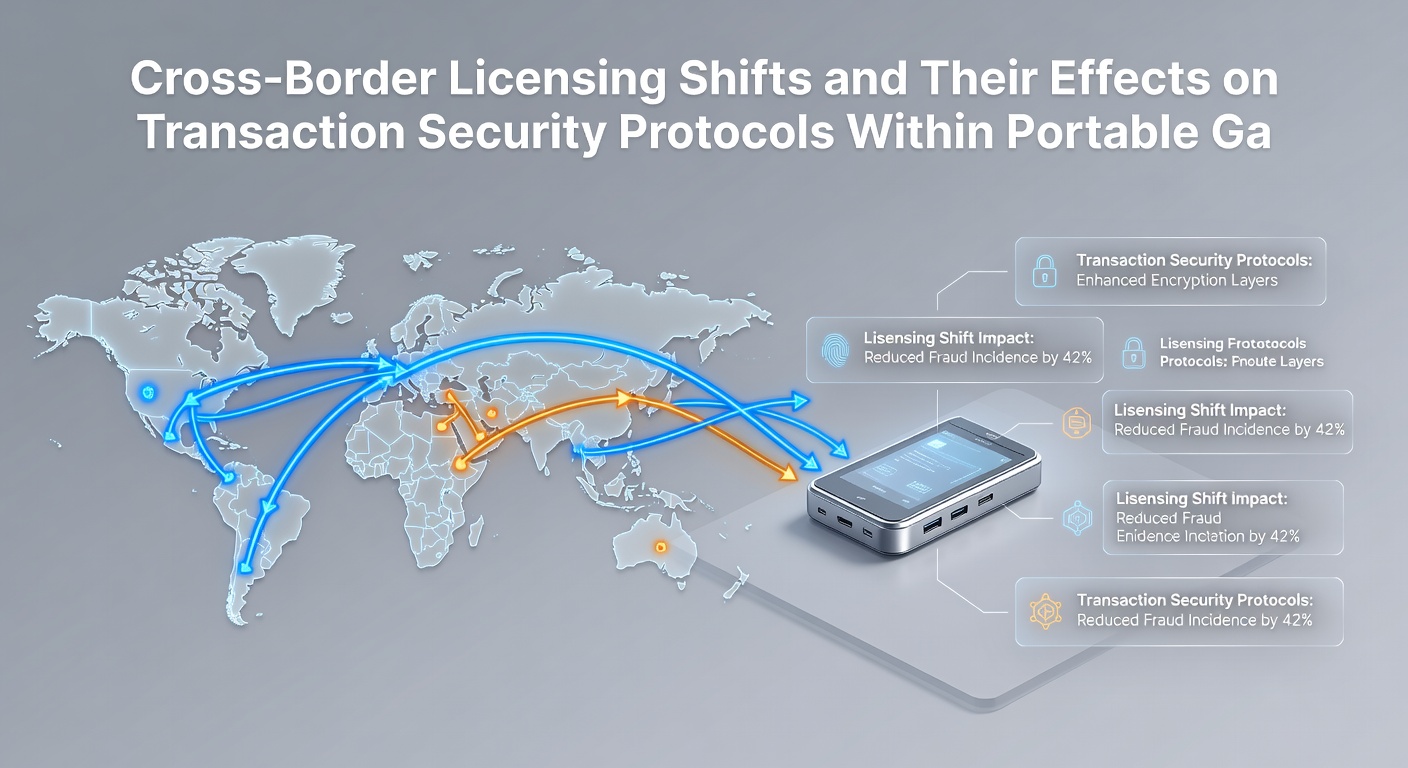
Research conducted by academic groups at institutions in Australia and Singapore indicates that licensing shifts have accelerated adoption of advanced biometric authentication in mobile gaming apps. Figures reveal a measurable rise in the deployment of device-bound cryptographic keys, which satisfy both European data protection expectations and North American financial oversight rules simultaneously. Those responsible for protocol design note that these keys allow transactions to proceed while automatically applying the strictest applicable regional standard at the moment of purchase.
Regional Variations and Implementation Examples
Licensing bodies in Latin America began enforcing new portability clauses in June 2026 that require gaming platforms to store transaction logs within national boundaries for a minimum period. This requirement prompted several operators to deploy edge computing nodes capable of localized encryption before data moves to central servers. The approach preserves license eligibility and simultaneously strengthens resistance against unauthorized access during international transfers.
African regulatory coalitions coordinated similar provisions focused on mobile money integration within gaming ecosystems, and these provisions tie license approval to demonstrated compatibility with continent-wide payment security benchmarks. Operators who adapted early found that unified security layers reduced the need for separate compliance teams in each country while still meeting every licensing criterion. Data collected through these adaptations shows fewer reported incidents of payment interception in markets that adopted the coordinated standards.
Industry Responses and Technical Adaptations
Portable gaming platforms responded by forming cross-functional groups dedicated to mapping licensing conditions against security requirements on an ongoing basis. These groups track regulatory announcements from organizations such as the European Commission digital policy division and compare them against guidelines issued by bodies in other regions. The resulting matrices guide decisions on when to upgrade authentication modules or introduce new key management systems.
Technical documentation from several leading developers illustrates how licensing language directly shapes choices between cloud-based and on-device processing for sensitive transaction elements. When licenses mandate on-device handling, companies deploy hardware security modules within the portable devices themselves, which limits data exposure during cross-border synchronization. This method aligns with emerging global expectations while preserving the speed users expect from mobile gaming sessions.
Conclusion
Cross-border licensing developments continue to reshape transaction security within portable gaming ecosystems through requirements that link license validity to verifiable protection mechanisms. Organizations that monitor these shifts maintain adaptable security infrastructures capable of satisfying multiple regulatory environments at once. Evidence from ongoing implementations demonstrates that such alignment supports both operational continuity and regulatory compliance across expanding international user bases.