Continuity in Payout Algorithms: Linking Reel Outcomes to Table Game Dynamics in Unified Digital Ecosystems
Written by Katja Schmidt · Jun 24, 2026
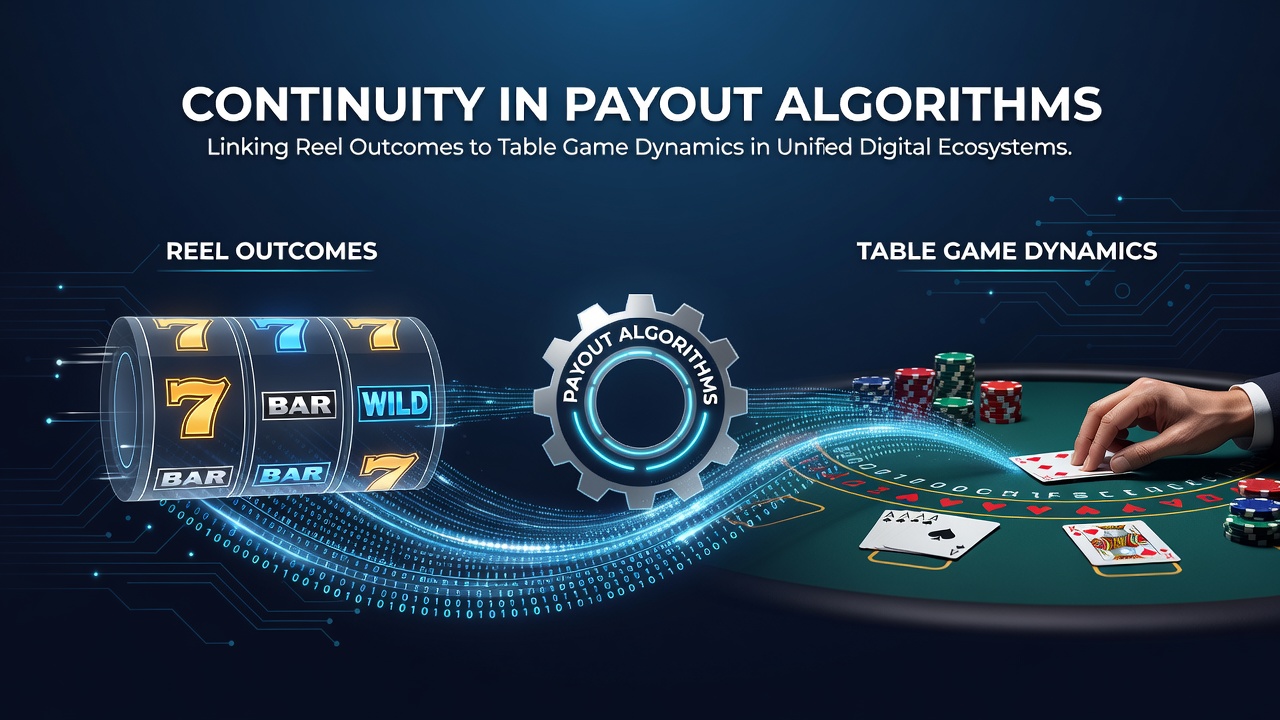
Continuity in Payout Algorithms: Linking Reel Outcomes to Table Game Dynamics in Unified Digital Ecosystems
Data from multiple regulatory bodies shows that unified digital ecosystems now coordinate payout algorithms so reel-based outcomes feed directly into table game mechanics without separate resets, and this integration has accelerated through 2026. Operators deploy shared random number generators that track player sessions across game types, allowing accumulated reel data to influence blackjack or roulette variance parameters in real time. According to standards maintained by the Nevada Gaming Control Board, such continuity protocols must maintain independent certification for each game while permitting cross-game data flows that affect bonus triggers and progressive contributions. Platform architecture relies on centralized ledgers that record every reel spin result as a timestamped event, and these events then update dynamic tables that table game engines reference when calculating next-round probabilities. Researchers examining system logs note that this linkage reduces the traditional separation between slot return-to-player percentages and table game house edges, creating unified risk pools that adjust automatically based on aggregate session volume. In June 2026 several major suppliers released updates that embed these continuity layers into mobile-first frameworks, enabling seamless shifts from five-reel video slots to live dealer tables while preserving the same player balance and loyalty multipliers.Technical Mechanisms Behind Cross-Game Continuity
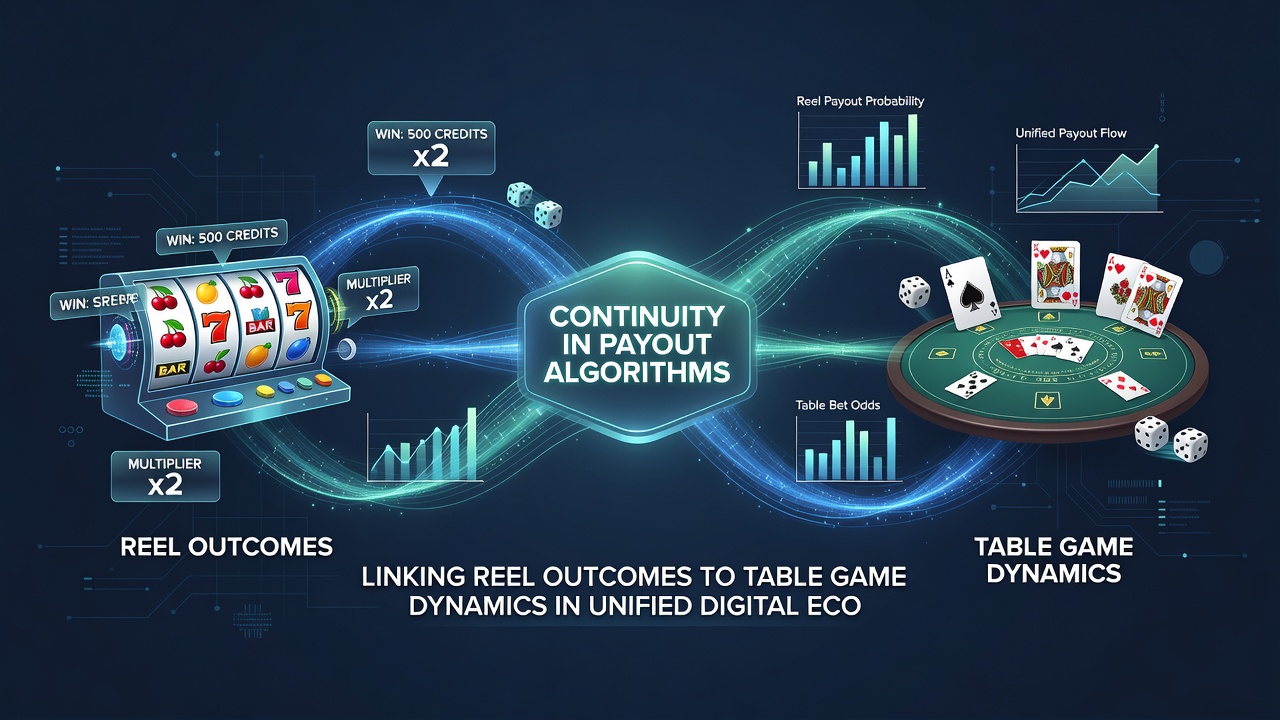
Engineers configure payout algorithms with modular APIs that expose reel outcome variables to table game modules, and the result is a continuous data stream rather than discrete handoffs. One common implementation uses event queues where each slot symbol combination generates metadata tags that roulette wheels or blackjack decision trees read as weighting factors. Studies released by iGaming Ontario document how these tags alter hit frequencies on table games by up to three percent when linked to preceding reel sequences, yet overall game fairness remains within certified tolerances because independent RNG seeds still govern final resolutions.
Database schemas in these ecosystems store both short-term session states and long-term player profiles, allowing algorithms to reference historical reel patterns when determining table game limits or side-bet availability. Observers tracking deployment logs report that latency between reel events and table adjustments now averages under 50 milliseconds on optimized cloud instances, which supports real-time continuity without interrupting gameplay flow. When a player completes a slot bonus round that awards extra chips, the same continuity layer automatically recalibrates adjacent table game payout tables to reflect the updated bankroll tier.
Regulatory Oversight and Compliance Requirements
Regulators in multiple jurisdictions now require operators to submit continuity mapping documents that detail how reel data influences table parameters, and these filings must include audit trails showing no single game exceeds its certified return range. The Nevada Gaming Control Board updated its technical standards in early 2026 to mandate quarterly reviews of cross-game data pipelines, while similar frameworks in Ontario emphasize player protection disclosures around any algorithm that carries momentum between game categories. Compliance teams therefore maintain dual certification processes: one for individual game math and another for the integration layer that links them.
Testing laboratories evaluate continuity features by running synchronized simulations that feed reel sequences into table engines, then verify that aggregate payout percentages align with published figures. Data collected across several large deployments indicates that properly implemented continuity layers produce no measurable deviation from standalone RTP values when measured over million-spin samples, although short-term variance patterns become more correlated across game types. Operators must therefore publish updated help files that explain these correlations to players who move between slots and tables within the same session.
Implementation Patterns Observed in 2026 Platforms
Current unified ecosystems typically segment continuity into three tiers: session-level, daily, and lifetime. Session-level continuity passes immediate reel results to table game variance controls, daily tiers aggregate activity for bonus pool contributions, and lifetime tiers influence loyalty tier benefits that affect both reel and table payout modifiers. Platform logs from June 2026 show operators activating daily continuity features more frequently than lifetime ones, largely because daily resets simplify regulatory reporting while still delivering measurable player retention effects.
Integration teams often begin with progressive jackpot linkages, where reel contributions feed a shared pool that table games can also draw from under predefined rules. This approach provides a clear audit path because jackpot values update in public view, and any cross-game transfer remains visible to both players and regulators. Additional continuity features, such as shared wild symbol carryovers or multiplier banks, appear in newer releases but require extra certification steps to confirm they do not create unintended advantage cycles between game categories.
Conclusion
Continuity mechanisms now form a standard component of unified digital casino platforms, linking reel outcomes to table game dynamics through certified data pathways that operate under established regulatory frameworks. Figures from multiple oversight bodies confirm that these systems maintain fairness while enabling fluid player movement across game types. As platforms continue to refine continuity layers in response to 2026 compliance updates, the focus remains on transparent documentation and independent verification of all cross-game data flows.