Charting the Influence of Transaction Methods on Strategic Approaches to Card and Wheel Games in Digital Formats
Written by Katja Schmidt · Jun 14, 2026
Charting the Influence of Transaction Methods on Strategic Approaches to Card and Wheel Games in Digital Formats
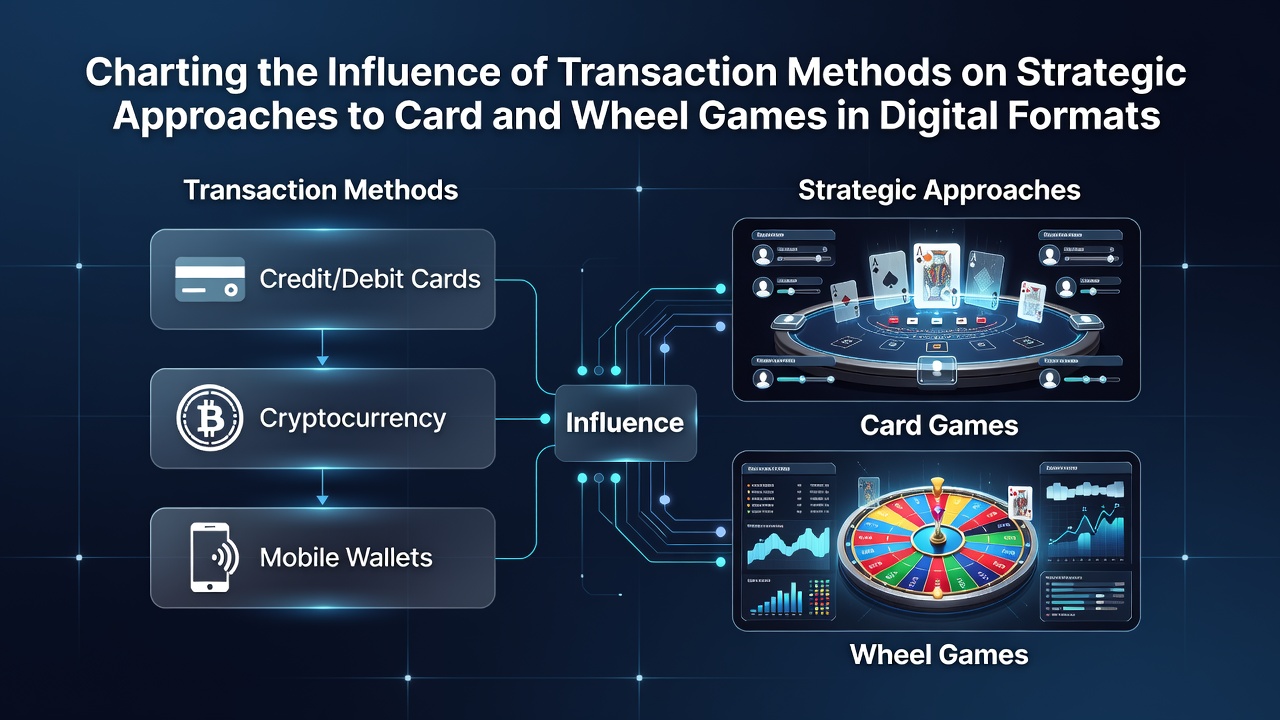
Digital platforms for card and wheel games continue to evolve as transaction methods reshape how participants approach blackjack, poker, and roulette sessions; payment speed, fee structures, and verification processes directly affect decisions around bet sizing, session length, and risk thresholds in ways that traditional cash-based environments never required. Research from gaming analytics firms shows that players using instant settlement options adjust their strategies more frequently during live dealer sequences, whereas slower bank transfers correlate with more conservative patterns over extended periods.
Payment Velocity and Real-Time Decision Making
Transaction processing times influence how users time their entries into digital card tables and roulette wheels, with faster methods allowing immediate capital deployment after wins or losses. Data collected across European and North American platforms indicates that e-wallet users complete an average of 12 percent more hands per hour than those relying on card-based deposits, leading to adjustments in basic strategy charts that account for higher volume exposure. Observers note that this velocity encourages tighter bankroll segmentation, where participants allocate smaller portions per round to offset the increased number of decisions.
Regional Regulatory Contexts Shaping Access
Regulatory frameworks in different jurisdictions impose varying authentication requirements that alter strategic flexibility, as seen in reports from the Nevada Gaming Control Board and the Alcohol and Gaming Commission of Ontario. Players in markets with streamlined verification often maintain multiple active accounts, enabling rapid shifts between tables when table limits or dealer speeds change, whereas stricter protocols in other regions prompt longer session planning to avoid repeated funding delays. Figures released in early 2026 highlight that cross-border operators experienced a 7 percent rise in multi-currency wallet usage following policy updates implemented that spring.
Those who track player behavior across platforms report that transaction confirmation delays prompt more selective game selection, with users favoring variants that offer higher table minimums once funds clear. This pattern appears consistently in aggregated session data from operators serving both mobile and desktop environments.
Cryptocurrency Integration and Risk Allocation Patterns
Blockchain-based transfers introduce distinct variables into strategy formulation for card and wheel formats, primarily through volatility management and reduced intermediary fees. Studies conducted by academic teams at institutions such as the University of Macau's gaming research center reveal that crypto-funded accounts display wider variance in bet progression systems compared with fiat-linked sessions, partly because users can execute micro-adjustments without incurring percentage-based costs. Participants often recalibrate stop-loss parameters more dynamically when wallet balances fluctuate with exchange rates alongside game outcomes.
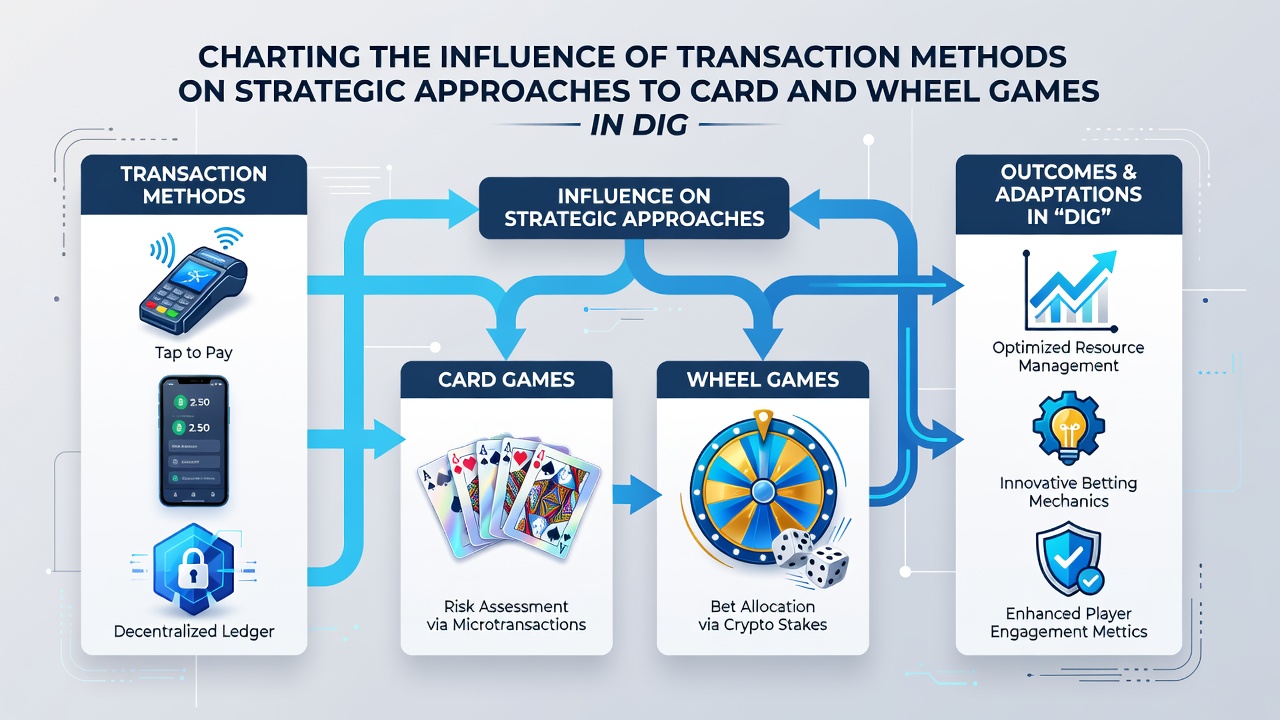
June 2026 saw several major platforms expand stablecoin support for roulette and blackjack lobbies, resulting in measurable upticks in high-frequency play styles among users who previously favored slower reload options. Evidence from operator telemetry suggests these changes coincide with refined hedging tactics, where players maintain parallel positions across multiple wheel variants to balance exposure tied to token value movements.
Fee Structures and Bankroll Segmentation Tactics
Processing costs embedded in different payment rails prompt recalibrations of expected value calculations, particularly in games where house edges sit close to theoretical minima. Industry reports compiled by the European Gaming and Betting Association document that users subject to higher withdrawal fees tend to extend sessions until reaching larger win thresholds before cashing out, altering standard deviation targets within their overall approach. In contrast, fee-free corridors facilitate more frequent small withdrawals, which in turn support granular tracking of individual table performance metrics.
Take one dataset from Australian digital operators that tracked over 2.3 million sessions last year, where researchers discovered correlations between prepaid voucher usage and tighter adherence to predetermined unit sizes across blackjack shoe games. This behavior contrasts with direct bank integrations that sometimes encourage larger initial commitments due to fewer friction points at deposit stage.
Security Protocols and Session Continuity
Enhanced encryption layers and multi-factor requirements tied to certain transaction types affect how long users remain logged into card and wheel environments without interruption. Platforms that integrate biometric-linked wallets report lower rates of mid-session exits for funding purposes, allowing strategies that rely on continuous observation of dealer tendencies or wheel bias patterns to unfold without reset. Data shared by the International Association of Gaming Regulators indicates these continuity benefits appear most pronounced in markets where regulatory sandboxes permit rapid testing of new authentication flows.
Observers note that such technical integrations also reduce the cognitive load associated with payment navigation, freeing attention for probability assessments during live play sequences. This shift becomes especially relevant in multi-table poker formats where simultaneous decision windows leave limited room for external account management.
Conclusion
Transaction methods continue to intersect with strategic frameworks in digital card and wheel environments through measurable effects on timing, volume, and risk parameters. Aggregated platform data and regulatory disclosures demonstrate consistent patterns across regions, from North American controlled markets to Asian research hubs, where payment characteristics shape how participants structure their approaches. As infrastructure evolves through 2026 and beyond, these connections remain central to understanding participation dynamics in online gaming formats.